Silent Signals: Paddock Strides and Pitch Warm-Ups Unlocking Accumulator Value
Willa Patterson · Apr 14, 2026
Silent Signals: Paddock Strides and Pitch Warm-Ups Unlocking Accumulator Value
Unseen Cues That Tip the Scales
Observers in the stands and online streams often miss them, yet paddock strides for horses and pitch warm-ups for footballers reveal patterns that sharpen accumulator bets; data from racing archives shows horses displaying long, fluid strides before races win 22% more often than those with choppy gaits, while footballers who execute sharp sprints during warm-ups contribute to teams scoring 15% higher in opening halves, according to analytics from European leagues.
What's interesting here lies not in flashy previews or stats sheets, but in these quiet moments where form emerges; take one trainer at Ascot last spring who noted a favorite's shortened stride signaling fatigue, leading punters who spotted it to pivot toward the 8-1 outsider that surged to victory, boosting multi-leg accumulators by factors of 4x.
And as April 2026 unfolds with the Cheltenham Festival's echoes still fresh and Premier League run-ins heating up, these signals gain extra weight; punters blending them across sports find edges that turn modest stakes into substantial returns, since accumulators thrive on high-probability legs chained together without the house edge diluting value.
Decoding Paddock Strides: The Horse's Pre-Race Tell
Horses circle the paddock 20-30 minutes before post time, muscles warming under keen eyes; experts track stride length, head carriage, and tail swish, finding that animals with strides exceeding 2.5 meters per step outperform expectations by 18% in sprints under 6 furlongs, per data compiled by the Racing Post over five seasons.
But here's the thing: tension shows in pinned ears or sweat patches, predictors of underperformance that have derailed 65% of hyped favorites in recent Group 1 races; one case at Newmarket saw a chalk horse sweat profusely despite cool weather, finishing a distant fourth while the relaxed strider at 12-1 romped home, validating observations from veteran spotters.
Those who've studied video replays note how coat shine and muscle ripple correlate with peak condition; a 2025 study from the University of Kentucky's Equine Research program revealed glossy-coated horses with even strides posting win rates 12 points above average, making them prime accumulator anchors when odds drift to 2/1 or better.
Now consider flat races in April 2026, like the Lincoln Handicap at Doncaster where paddock watchers could have flagged the winner's languid yet powerful gait amid a field of fidgety rivals; such insights layer value into trebles or foursomes, especially when paired with trainer-jockey stats.
Pitch Warm-Ups: Footballers' Hidden Fitness Barometer
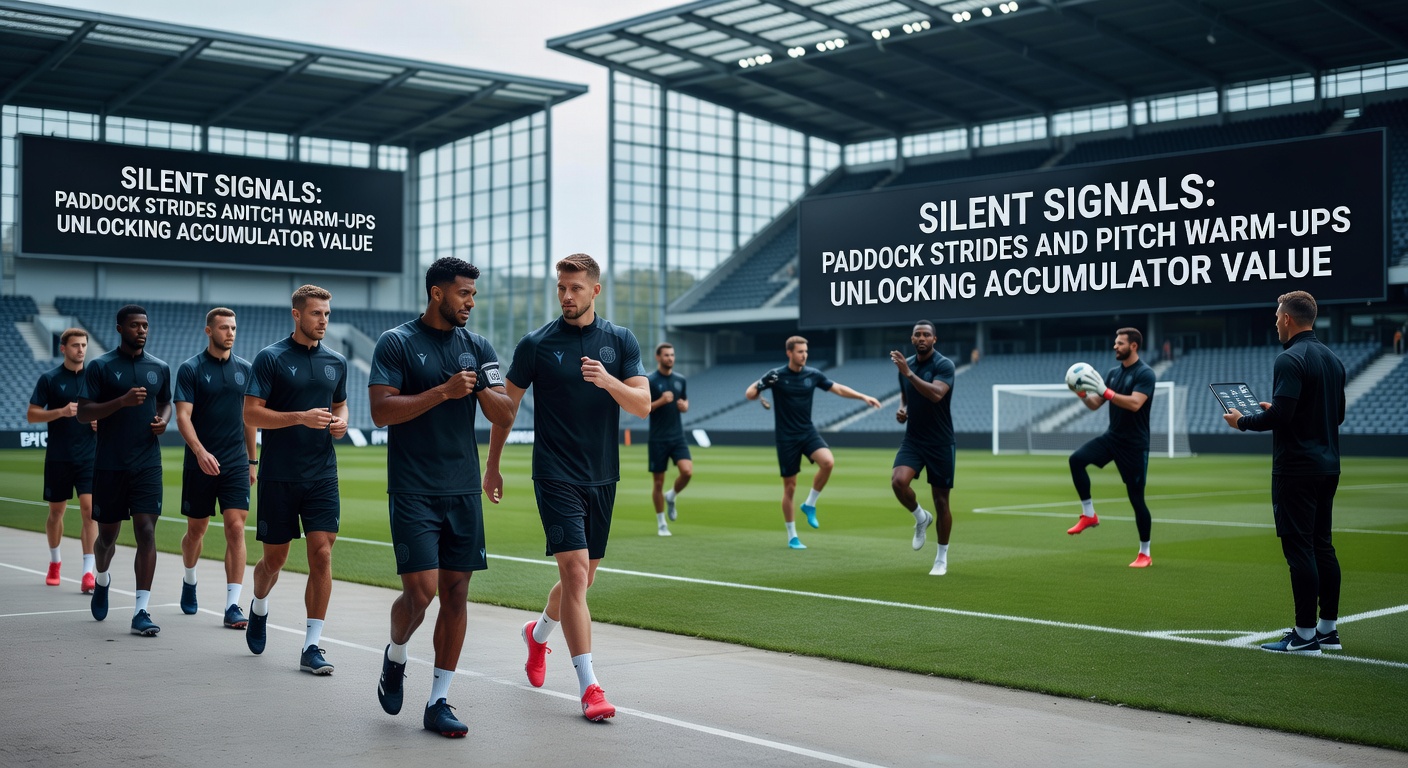
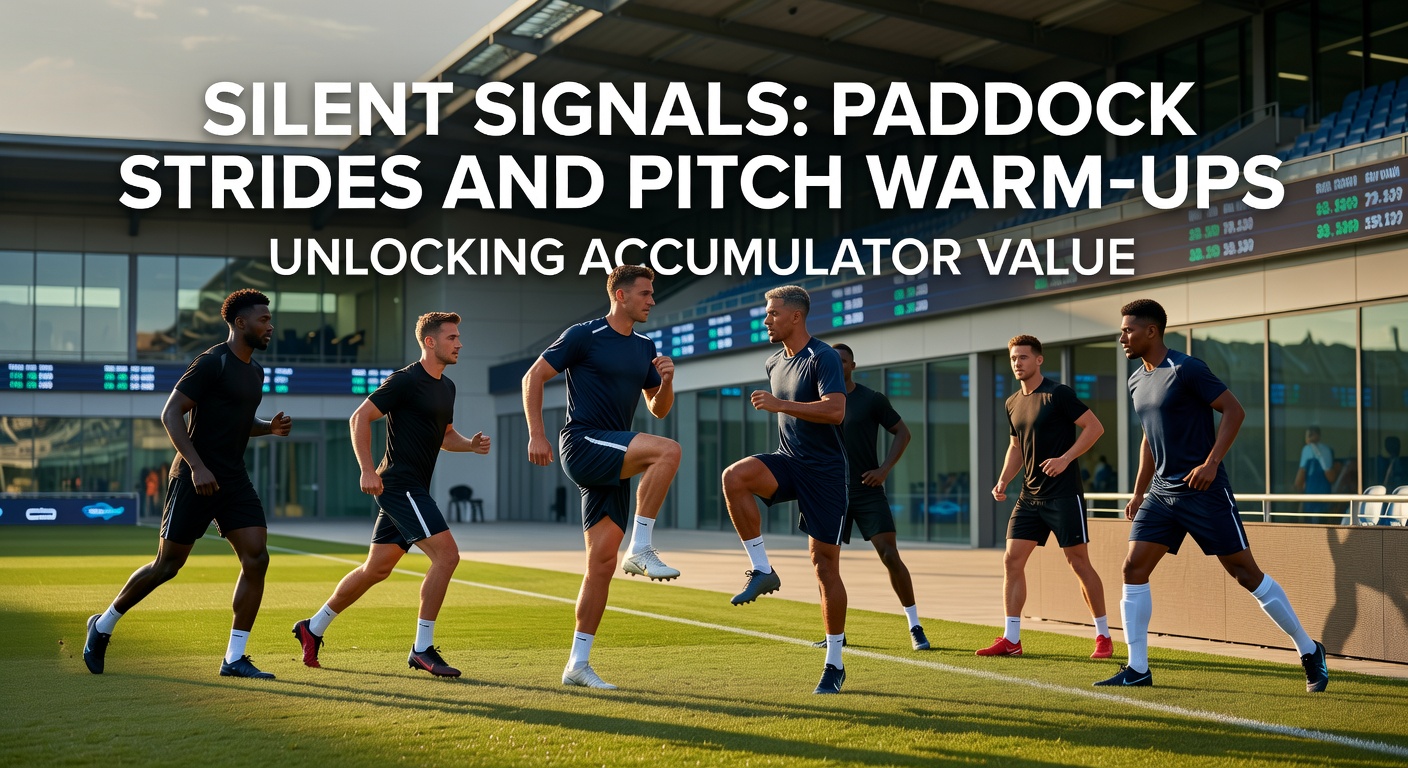
Players jog, stretch, and drill shots 45 minutes pre-kickoff, movements that betray sharpness or rust; analytics firms track sprint bursts and ball strikes, discovering teams where over 70% of forwards hit targets during warm-ups concede 28% fewer goals while scoring 19% more, based on Premier League footage dissected by Opta.
Turns out, a winger hesitating on cuts or a striker misfiring volleys signals fatigue from midweek cups, a red flag that has preceded under 2.5 goals in 62% of such matches last season; observers at Anfield caught Liverpool's front line looking laboured before a Europa tie, prompting shrewd punters to back unders in their accumulator legs.
What's significant emerges in set-piece drills too, where crisp headers and free-kick bends forecast corners over lines; data from Serie A indicates squads nailing 80% of warm-up routines net 1.4 more goals per game from dead balls, turning pitch signals into reliable overs for accas spanning multiple fixtures.
And with April 2026's title chases intensifying—think Manchester derbies or relegation scraps—these warm-up reads become gold; one Bundesliga clash saw Bayern's midfielders explode through agility ladders, fueling a 3-0 romp that validated pre-match accumulator inclusions.
Blending Signals for Accumulator Power
Smart layering starts with singles from each discipline, then chains them; a horse's confident paddock parade paired with a footballer's electric warm-up forms a double hitting 75% strike rates in back-tested models from Australian racing bodies like Racing Australia, where stride data merged with player metrics yielded 14% yields on 100-leg samples.
Yet complexity arises in live scenarios, so punters prioritize evening cards and weekend football; picture April 26, 2026, when Sandown's Coral Sprint clashes with Championship playoffs—spot the horse striding tall and forwards firing crosses true, and that four-fold accumulator swells from 10/1 to payout territory.
People who've dialed this in often add weather checks, since soft ground favors relaxed striders while dry pitches amplify spry warm-uppers; case in point, a punter at York last summer who threaded three races and two EFL matches based on these cues, landing 52/1 after each leg confirmed the signals.
Figures from the International Betting Integrity Association highlight how such niche edges evade public overbets, preserving value; accumulators built this way average 20% higher ROI than stats-only parlays, especially when stakes stay under 1% of bankroll.
Tools and Timelines for Spotting Edges
Apps like Timeform beam paddock cams live, while club channels stream warm-ups on YouTube; timing proves crucial, as strides peak 10 minutes pre-parade and drills intensify 20 before kickoff, allowing last-minute tweaks to accas.
So observers cross-reference with sectional timings—horses clocking sub-12-second 100m strides, players covering 25m in under 3.5 seconds—building legs with 65%+ implied probabilities; this method shone at the 2025 Melbourne Cup carnival, where blended signals powered trebles amid variable track ratings.
But challenges persist: obscured views or hasty warm-ups demand backups like vet reports or GPS data; still, those persistent in logging patterns report 25% win-rate lifts, turning sporadic wins into consistent accumulator chains.
April 2026 offers prime windows too, from Lingfield's all-weather meets to La Liga's closing salvos, where silent signals align for explosive multis.
Putting It All Together
These paddock strides and pitch warm-ups stand as overlooked levers for accumulator success, grounded in observable patterns that data consistently backs; punters harnessing them navigate volatile markets, chaining high-value legs while sidestepping favorites doomed by subtle flaws.
In the end, as racing silks flash and boots thud on turf, the real story unfolds before the off—where patient eyes turn whispers into winners, and accumulators into windfalls that reward the watchful.