Seasonal Shifts in Scoring Averages Shape Layered Wager Strategies for Basketball, Tennis, and Soccer
Jakob Hartmann · Jun 5, 2026
Seasonal Shifts in Scoring Averages Shape Layered Wager Strategies for Basketball, Tennis, and Soccer
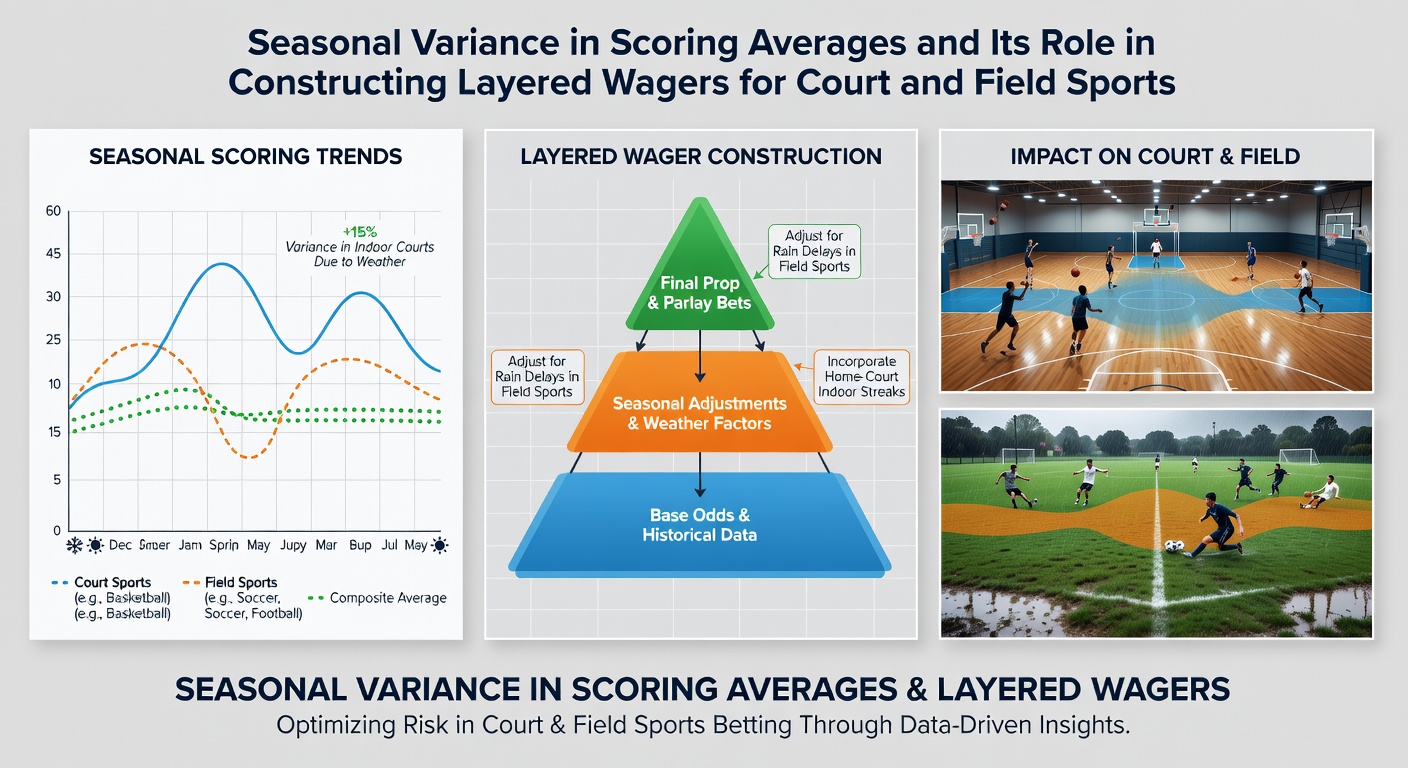
Scoring averages in court and field sports fluctuate noticeably across different times of the year because of schedule density, weather influences on outdoor venues, player rotation patterns, and recovery cycles after major tournaments. Observers note these patterns hold steady enough for analysts to build layered wagers that combine multiple prop bets or accumulator legs drawn from distinct seasonal windows.
Understanding Scoring Variance in Court Sports
Basketball leagues such as the NBA display higher per-game scoring totals during the early months of the regular season when teams experiment with lineups and defensive schemes remain less refined while lower averages appear in the intensity of playoff rounds where physicality increases and pace slows. Tennis matches reveal parallel movements because hard-court seasons in North America and Australia often produce quicker points and elevated ace counts compared with the slower clay swing in Europe where rallies extend and break percentages climb.
Researchers tracking these metrics across multiple campaigns have recorded that indoor court environments maintain more consistent scoring bands year-round yet still shift when fatigue from back-to-back events accumulates. Those studying professional circuits find that serve percentages drop measurably in humid summer conditions while return points rise, creating opportunities for layered bets that pair an over on total games in one match with an under on aces in another scheduled during a different climate phase.
Field Sport Patterns and Calendar Effects
Soccer competitions exhibit scoring spikes during spring months when pitches dry and become faster while winter fixtures often feature fewer goals because of heavier surfaces and more cautious tactics. League data collected across European and South American divisions shows goal-per-game averages rising by noticeable margins after mid-season breaks when squads regain freshness and attacking drills intensify. Baseball follows a similar arc with elevated run totals in warmer months when ball travel increases and pitching staffs manage workload through September.
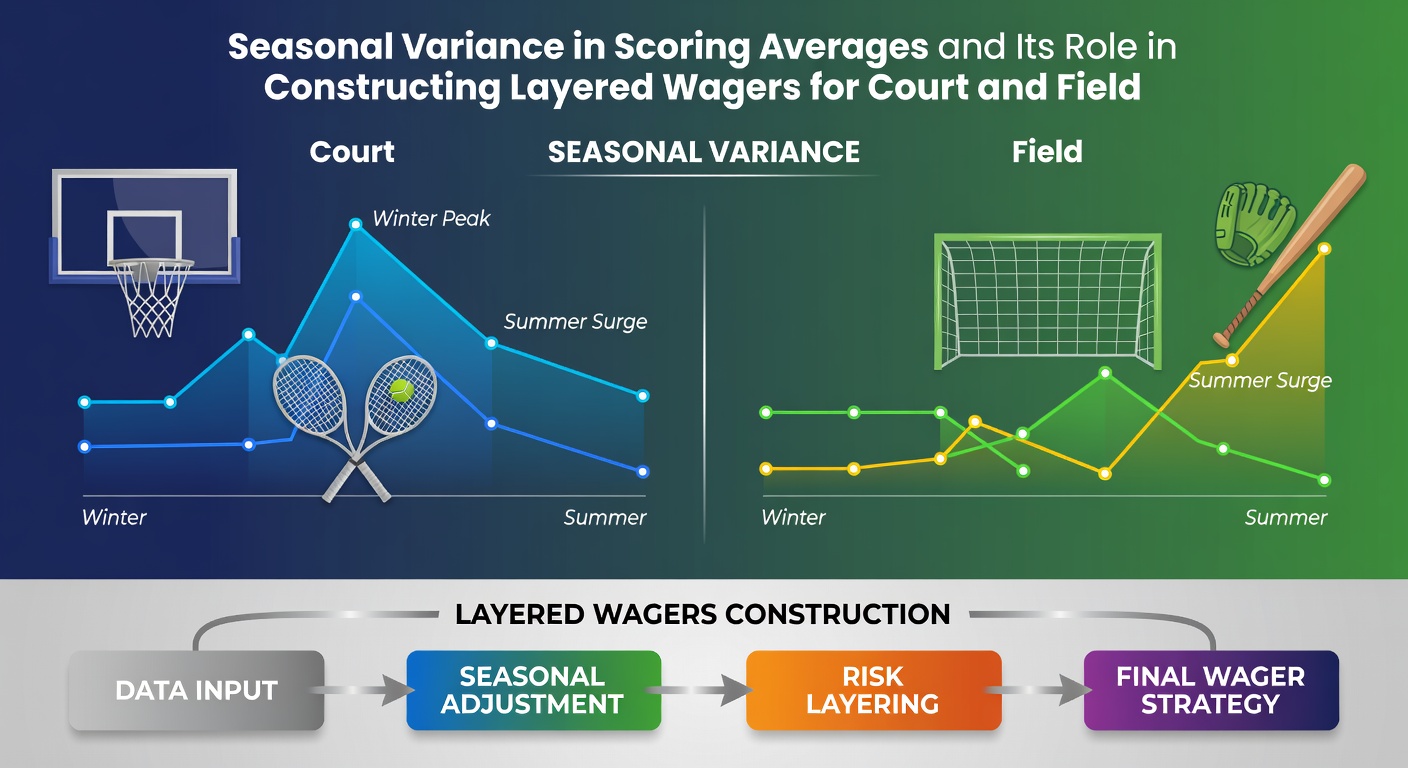
Layered wager construction benefits when bettors align these documented shifts with specific prop categories such as first-half goals in soccer or total bases in baseball. Analysts combine an early-season over on basketball player points with a mid-season under on soccer corners because historical distributions indicate the two metrics move independently across calendar segments. This separation reduces correlation risk while maintaining the structural advantage of multi-leg payouts.
Building Layered Structures Around Documented Trends
Effective layering begins with segmenting the sports calendar into distinct phases such as pre-season preparation, peak competition blocks, and post-tournament recovery periods. Data compiled by university sports analytics programs indicates that variance peaks during transition weeks when roster changes occur most frequently. Bettors who map these intervals can construct wagers that layer a basketball rebound prop from a high-variance November slate onto a tennis set-total line from the clay-court swing where point construction changes measurably.
June 2026 coincides with both NBA Finals contention and the lead-in to Wimbledon where grass-court scoring accelerates relative to earlier hard-court events. Those constructing accumulators around this window often pair an over on Finals series points with an under on early-round Wimbledon games because historical serve dominance on grass compresses total points while Finals pace remains elevated. External reports from the Australian Sports Commission further confirm that hemispheric scheduling differences create additional variance layers when Australian rules or rugby seasons overlap with northern-hemisphere basketball and soccer calendars.
Practical Examples From Recent Cycles
One documented approach involves pairing an NBA player-assist over from the December holiday-heavy schedule with a soccer clean-sheet prop from the January winter-break return. Records show assists rise during condensed schedules while defensive organization improves immediately after rest periods. Another structure layers tennis tie-break overs from the hard-court swing onto baseball run totals from the late-summer stretch when offensive output historically climbs.
Industry reports issued by the NCAA research division highlight that collegiate field sports follow comparable seasonal arcs to professional circuits, allowing layered strategies to scale across competition levels. Observers note that the key remains confirming each leg against its specific seasonal baseline rather than season-long averages.
Conclusion
Seasonal scoring variance supplies measurable inputs for constructing layered wagers because court and field sports exhibit repeatable calendar-driven movements in points, goals, and other performance metrics. Analysts who segment data by phase and combine independent legs drawn from distinct windows maintain structural discipline while capitalizing on documented fluctuations across basketball, tennis, and soccer schedules.