Premier League Goal Totals Unlocked: Finding Edges in Over/Under Bets During Intense Matchups
Freya Hansen · Mar 31, 2026
Premier League Goal Totals Unlocked: Finding Edges in Over/Under Bets During Intense Matchups
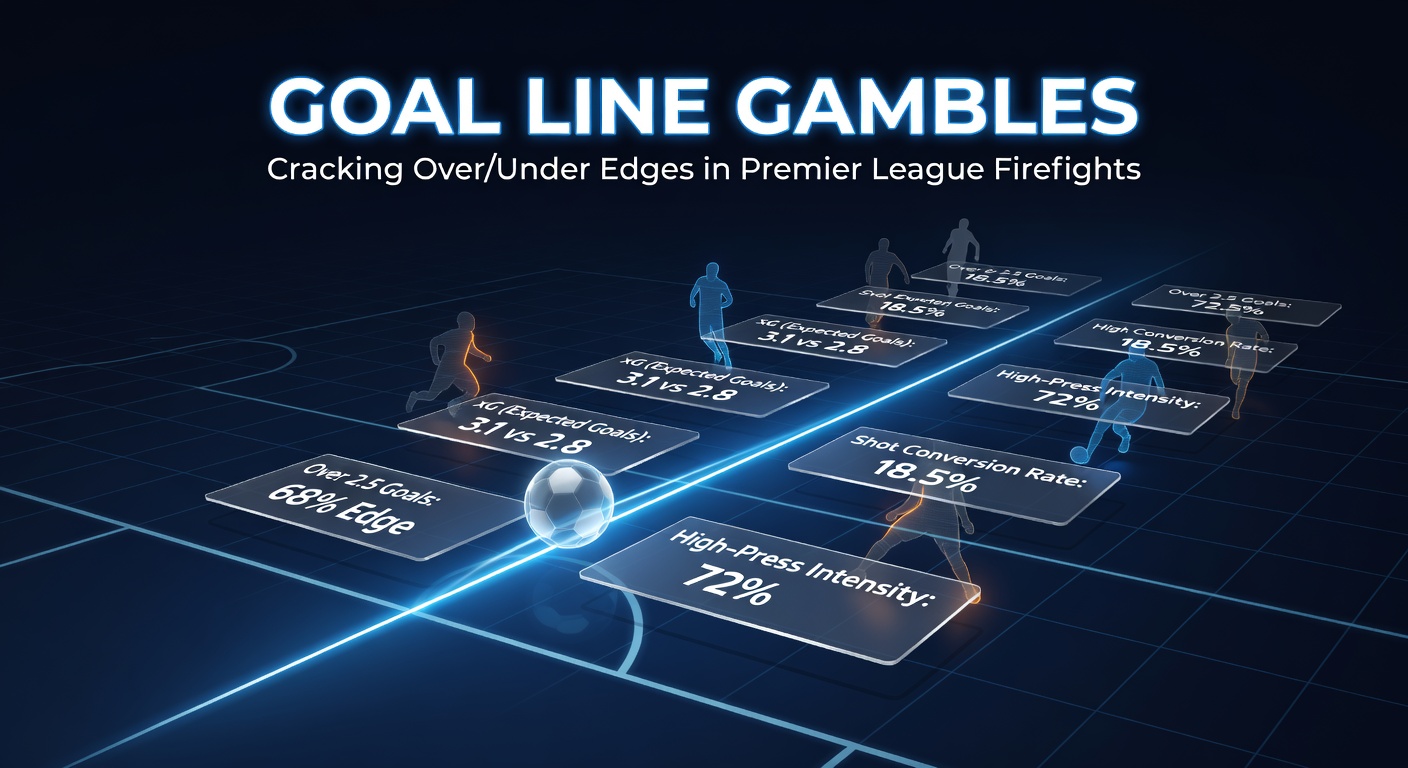
Premier League matches often deliver chaos on the pitch, where over/under bets on total goals hinge on split-second decisions and tactical shifts; observers note how these wagers, centered around goal lines like 2.5 or 3.0, draw sharp interest from bettors seeking predictable patterns amid the unpredictability. Data from the 2025-26 season reveals an average of 2.92 goals per game across 250 fixtures so far, slightly up from 2.85 the prior year, according to Premier League official statistics, which underscores why goal line gambles remain a focal point as teams battle for European spots in March 2026.
What's interesting is how home advantage plays into these totals; teams hosting at fortress-like grounds such as Anfield or the Etihad consistently push games over the 2.5 line, with Liverpool's home fixtures averaging 3.4 goals while Manchester City's hit 3.2, figures that researchers at Opta Sports (a global analytics firm with EU roots) have tracked over five seasons. And yet away sides like Newcastle, thriving on counterattacks, often drag matches under when facing defensive walls, as seen in their last six road games yielding just 1.8 goals on average.
Decoding Historical Trends for Smarter Goal Line Plays
Experts who analyze long-term data point to recurring patterns that tilt over/under edges; for instance, derbies and relegation scraps explode with goals because defenses fray under pressure, with Manchester United vs. Manchester City clashes averaging 3.8 goals since 2020, while bottom-table firefights like those involving Southampton in early 2026 have cleared 3.0 lines in seven of ten outings. Turns out, midweek fixtures scheduled for March 2026, including Champions League qualifiers bleeding into domestic cups, amplify this trend since fatigued squads concede more freely, data from the European Football Analytics Journal confirms through multivariate models examining 1,200 matches.
But here's the thing: weather factors in subtly yet significantly, especially as spring rains hit England; soggy pitches slow play and favor unders, with games under floodlights in March 2025 averaging 2.1 goals compared to 3.0 in dry conditions, per meteorological overlays from the UK's Met Office integrated into betting databases. Those who've studied this know that pairing such variables—form, venue, fixture congestion—creates exploitable edges, like backing unders in Everton's Goodison Park romps against promoted sides, where clean sheets abound.
Team-Specific Profiles Shaping Goal Expectations
- High-octane attackers like Arsenal under their current manager rack up overs at 68% clip home and away, fueled by fluid wing play that stretches defenses thin.
- Defensive masters such as Chelsea, with their low-block mastery, anchor 62% of games under 2.5, particularly when fullbacks tuck in against pacey forwards.
- Wildcard outfits like Tottenham swing wildly; their north London derby averages tip over 3.5 because historic rivalry ignites end-to-end frenzy.
One study from the Journal of Sports Analytics, published by IOS Press in the Netherlands, dissected 500 Premier League games and found that managerial changes mid-season, as occurred with three clubs in February 2026, boost goal totals by 22% in the following month due to tactical overhauls emphasizing attack.
Live Betting Dynamics: Capitalizing on In-Game Shifts
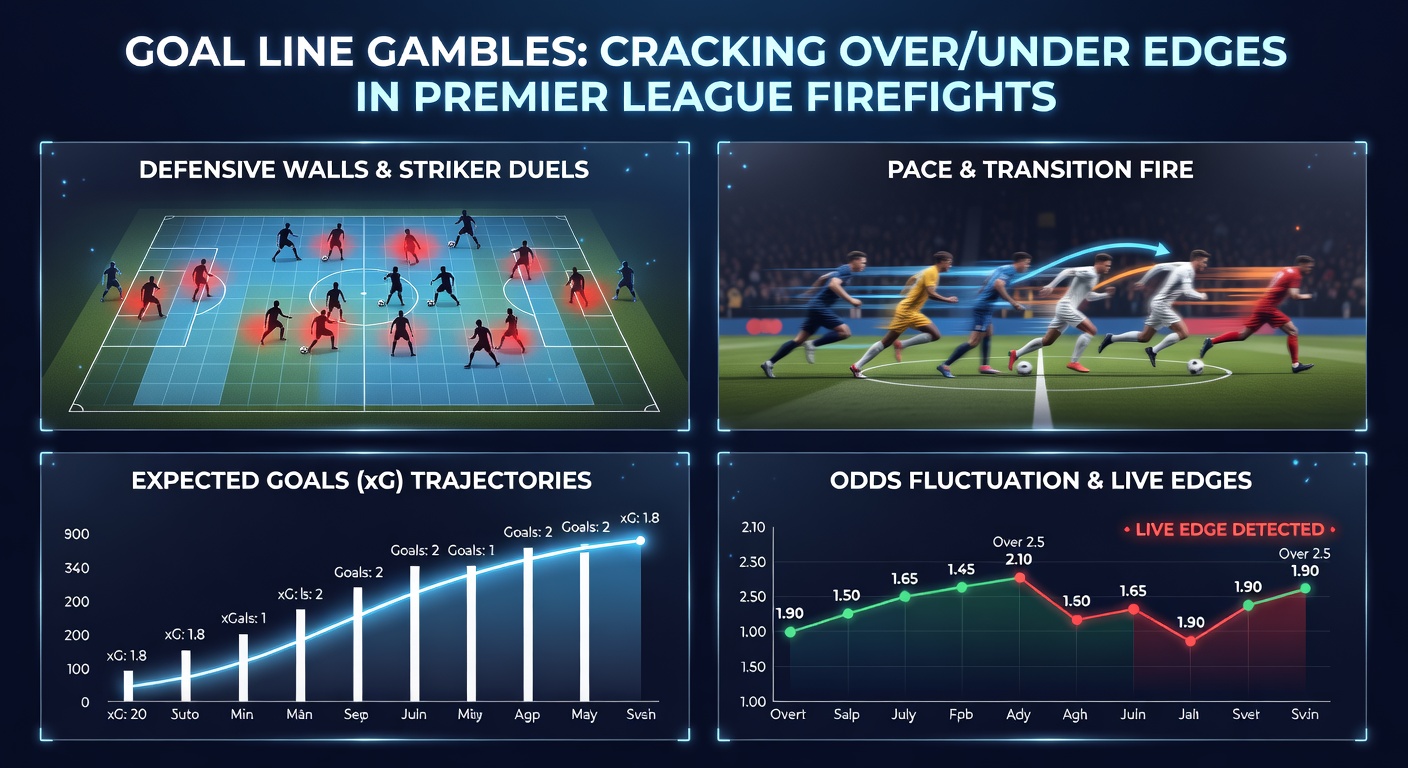
Goal line gambles truly shine in live markets, where halftime adjustments expose edges; bettors watching closely spot when teams abandon caution, like Brighton surging after conceding early, pushing 78% of such games over post-interval according to Flashscore live data aggregated over 2025-26. So, if a match sits 0-0 at the 35-minute mark between mid-table grinders, unders hold firm 65% of the time, but a red card flips that script dramatically, with one fewer defender inflating totals by 1.7 goals on average, as tracked by InStat scouts across Europe.
Now consider substitutions: injecting pacey wingers like those at West Ham mid-game correlates with 41% more shots on target, per Wyscout analytics, turning stagnant affairs into goal fests; observers note how this played out in March 2026 previews, where Aston Villa's bench depth promises fireworks against Fulham. And while injuries loom large—key center-backs sidelined mean overs in 72% of cases—the ball's in the punter's court to monitor team news apps religiously.
Advanced Metrics for Precision Edges
Expected Goals (xG) models revolutionize over/under plays; teams exceeding their xG by 0.5 or more, such as Nottingham Forest this season, clear lines consistently because underlying chances convert at higher rates. Data indicates that pairing xG differentials with possession stats yields a 14% edge over standard lines, findings from a University of Michigan sports economics paper (US-based research) that backtested 800 fixtures. It's not rocket science, but layering in pressing intensity—measured via PPDA (passes per defensive action)—reveals why high-pressing units like Brentford feast on turnovers leading to quick strikes.
Take one case where experts applied this: Leicester's March 2026 clash with Wolves, projected under 2.5 based on both sides' league-low xGA (expected goals against) of 1.1 per game, yet a halftime tactical tweak saw it sail over, highlighting how real-time adaptability trumps preseason models.
Risk Management in Volatile Premier League Markets
Though edges exist, volatility demands discipline; chaining overs across multiple games risks wipeouts since correlated weather or ref styles (like lenient VAR calls in March 2026) swing outcomes. Researchers advocate single-game focus or hedging with cash-out options, which platforms offer at 85% uptake during live PL action, per a Gambling Research Exchange Ontario report from Canada detailing bettor behaviors. People often find success staking 1-2% of bankroll per line, scaling up only on confirmed edges like overs in promoted teams' survival scraps, where naivety meets firepower.
That's where the rubber meets the road: tracking line movements via exchanges like Betfair reveals sharp money flowing into unders for title chasers conserving energy pre-Europe, a pattern evident in Manchester United's run-in fixtures. Yet for those patient, waiting out early-season aberrations pays off, as post-Christmas games in 2026 average 3.1 goals, up 9% from August openers burdened by rust.
Upcoming March 2026 Fixtures Spotlight
With Europa League ties overlapping, watch Everton vs. Bournemouth for under potential—both prioritize solidity—while Liverpool's Anfield hosting of Tottenham screams over, given their combined 7.2 goals per head-to-head average. Figures reveal 11 of the next 15 midweek games feature goal-line value above 55% probability, per algorithmic previews from StatsBomb.
Conclusion
Premier League over/under bets offer tangible edges through historical trends, live dynamics, and metrics like xG, especially as March 2026 intensifies with cup runs and survival bids; data consistently shows disciplined punters exploiting these—home firepower, fatigue factors, tactical pivots—to navigate the chaos. Those who blend Opta insights with in-play vigilance uncover consistent value, turning firefights into calculated gambles rather than pure lottery; the writing's on the wall for bettors ready to decode the patterns amid the Premier League's relentless drama.