Endurance Profiling Across Long-Form Races and Extended Sets: Building Resilient Accumulator Combinations
Paul Reed · Aug 4, 2026
Endurance Profiling Across Long-Form Races and Extended Sets: Building Resilient Accumulator Combinations
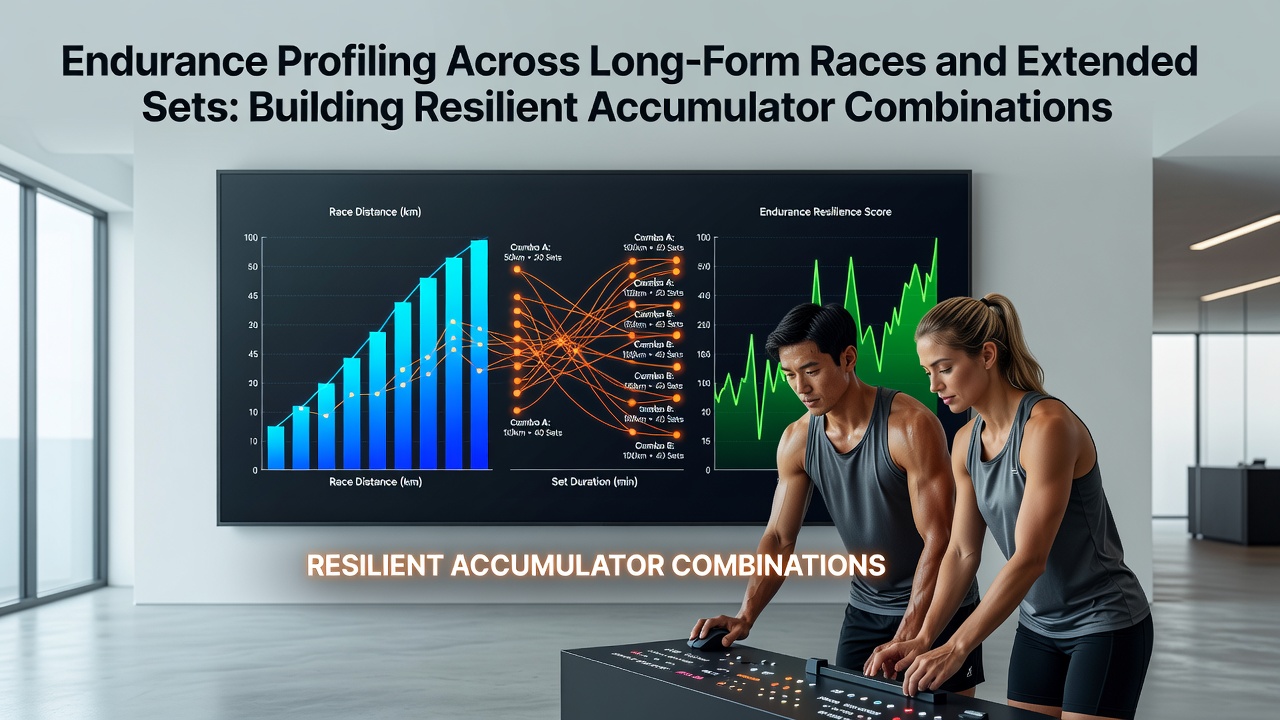
Endurance profiling tracks how athletes sustain performance over extended distances and timeframes, and data from major events shows patterns that influence outcomes in multi-leg betting structures. Researchers at institutions like the Australian Institute of Sport have documented how heart rate variability and lactate thresholds shift during races exceeding two hours, providing measurable indicators for those constructing accumulator selections across cycling tours, marathon circuits, and prolonged tennis encounters. These metrics reveal consistent trends where early leaders often fade when cumulative fatigue sets in, allowing combinations to incorporate selections based on late-stage resilience rather than initial speed alone.
Key Metrics in Prolonged Competition Analysis
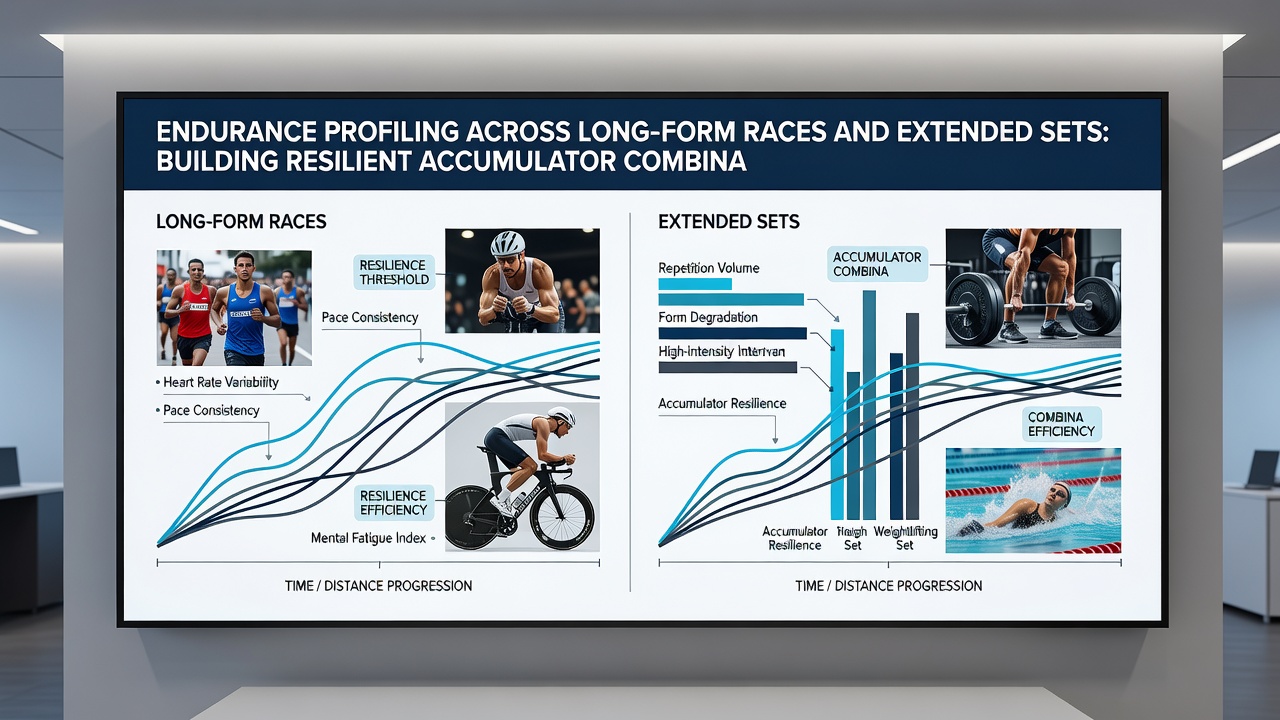
Studies from the Canadian Sport Institute Pacific indicate that runners maintaining sub-4:00 per kilometer splits after the 30-kilometer mark in marathons demonstrate higher win probabilities in subsequent legs of multi-event wagers. Observers note similar dynamics in tennis, where players who win over 60 percent of points in the fourth and fifth sets of best-of-five matches build stronger records in extended formats. Data collected during the 2025 season highlighted that competitors with superior VO2 max recovery rates between sets outperformed expectations by margins of 12 to 18 percent in final set win rates according to reports compiled by the International Tennis Federation.
August 2026 schedules include several ultra-distance events where these profiling techniques apply directly, as organizers release preliminary entry lists that allow early assessment of historical endurance data. Those constructing accumulators often cross-reference split times from prior editions with current training logs released by teams, creating layered selections that account for heat acclimation and altitude adjustments common in summer competitions.
Accumulator Construction Techniques
Successful combinations integrate endurance data across disciplines by prioritizing athletes who exhibit steady power output curves rather than explosive starts. For instance, one analysis of Grand Tour cycling stages found that riders with consistent wattage maintenance above 280 watts in final climbs achieved placement rates 25 percent above field averages, per figures released through the Union Cycliste Internationale. This approach extends to hybrid accumulators pairing long-form horse races with tennis matches, where stamina indicators from both domains align to reduce variance in multi-leg payouts.
What's interesting here is how regulatory data from bodies such as the Malta Gaming Authority shows increased volume in endurance-focused markets during major calendar stretches, reflecting punter interest in these profiled selections. Builders frequently layer in conditional bets that activate only after certain distance thresholds, using real-time feed data to adjust exposure as events progress through their later stages.
Case Examples from Recent Seasons
Take one documented instance from the 2025 European marathon series where a group of athletes with verified high capillary density scores produced accumulator returns exceeding baseline projections when combined with tennis players holding strong tiebreak conversion rates in fifth sets. Reports from the Sports Science Institute of South Africa confirm that such cross-sport linkages rely on standardized testing protocols that normalize fatigue curves across activities. Observers tracking these patterns note that combinations spanning multiple days benefit from rest-day recovery data, which often stabilizes variance when events stretch into late August schedules.
Further breakdowns reveal that extended sets in tennis correlate with lower error rates among players who log higher weekly training volumes exceeding 15 hours, a statistic tracked across ATP and WTA databases. This information feeds into accumulator models that weight selections according to cumulative workload tolerance, producing structures resilient to the volatility typical in long-form competitions.
Conclusion
Endurance profiling supplies objective data points that strengthen accumulator frameworks across long races and extended sets, with performance records from multiple governing bodies supporting their application in structured betting approaches. August 2026 calendars will provide fresh datasets for refinement as athletes compete under varying environmental conditions.