Calendar Sync Strategies: Aligning Football Fixtures with Racing Meetings for Optimized Multi Sport Positions
Felix Carter · Jun 7, 2026
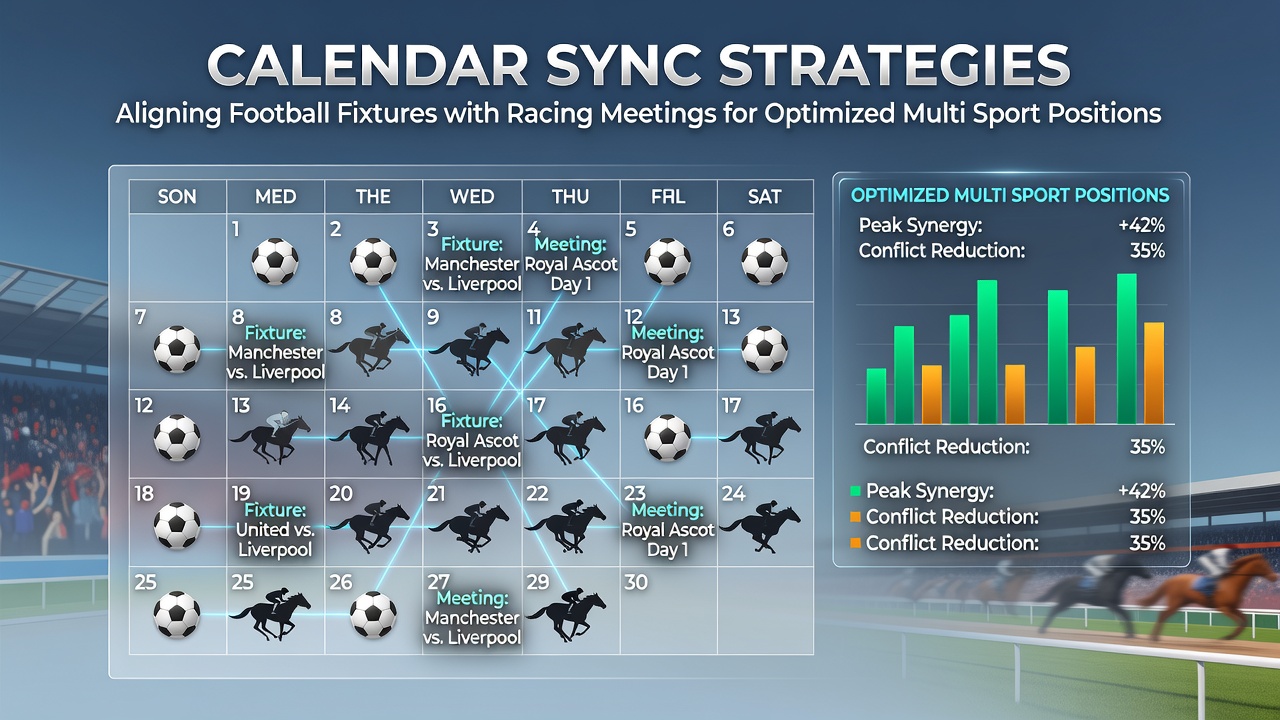
Calendar Sync Strategies: Aligning Football Fixtures with Racing Meetings for Optimized Multi Sport Positions
Coordinating football fixtures with horse racing meetings creates structured opportunities for those managing multi-sport positions across different events and timelines, and data from various sports databases shows consistent patterns in how these calendars intersect throughout the year. Observers note that football seasons typically run from August through May in major European leagues while horse racing operates on year-round schedules with peak clusters during summer festivals, yet June 2026 brings specific overlaps tied to international tournaments and flat racing circuits that reward precise alignment efforts.
Mapping Core Calendar Structures
Football governing bodies release fixture lists months in advance, and researchers at sports analytics firms have documented how these releases allow bettors to cross-reference against racing authority schedules published by organizations such as the Australian Racing Board, where detailed meeting dates appear in centralized databases. Those who study these alignments find that midweek football matches often coincide with evening racing cards at tracks like Newmarket or Doncaster, creating windows where positions can span both codes without schedule conflicts. In June 2026 the FIFA World Cup schedule places group stage matches across multiple time zones, and these dates line up with several high-profile racing festivals in Europe and Australia according to published timetables from national federations.
Digital Tools for Synchronization
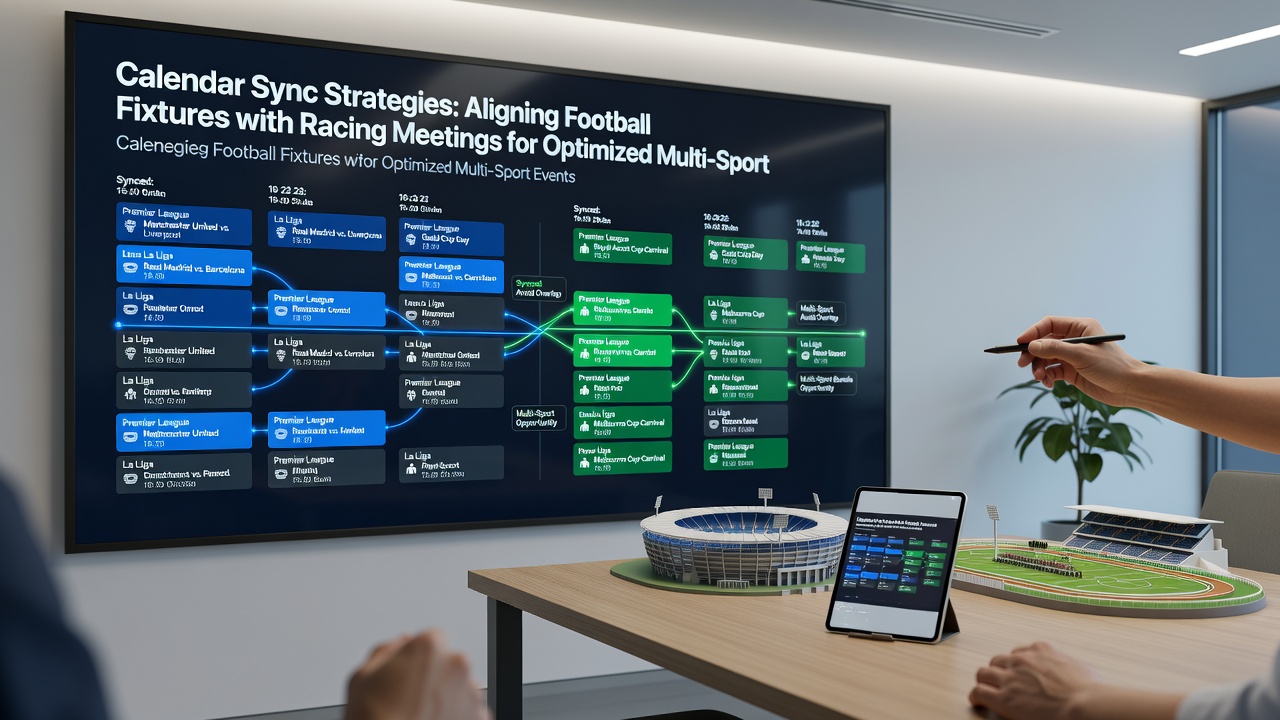
Specialized calendar applications pull live data feeds from league APIs and racing industry platforms, allowing users to layer events onto single views with color-coded markers for different sports. Studies from university sports management programs indicate that these tools reduce manual cross-checking errors by up to 40 percent when handling large fixture volumes. People managing accumulator-style positions often import both football and racing data into shared spreadsheets or dedicated software that flags potential clashes automatically, and the process becomes smoother once initial setup imports historical patterns from previous seasons. What's interesting is how some platforms now integrate weather data alongside schedules, since racing outcomes depend heavily on track conditions that football matches rarely encounter in the same way.
Strategic Overlap Identification in 2026
June stands out because international football breaks create gaps in domestic leagues while racing calendars reach their busiest phase with events such as Royal Ascot and the Queensland Winter Racing Carnival. Data indicates that certain mid-month dates feature afternoon racing cards followed by evening football qualifiers, and those who've mapped these sequences report improved position timing when entries are placed sequentially rather than simultaneously. Observers point to cases where a morning racing meeting in one region transitions directly into afternoon football fixtures elsewhere, allowing continuous monitoring without extended downtime between updates. The reality is that automated alerts built into modern sync systems notify users of last-minute postponements in either sport, preserving the integrity of planned multi-sport sequences.
Practical Implementation Approaches
One effective method involves dividing the calendar into weekly blocks and assigning primary focus days for each sport based on volume of available events, while secondary days handle carryover positions from earlier selections. Research from European sports institutes shows that this block approach minimizes cognitive load when tracking live developments across codes. Another technique uses time-zone adjustments to align morning racing results in Asia with afternoon football fixtures in South America, creating staggered result flows that support ongoing position adjustments. Those managing larger portfolios often maintain separate tracking sheets for each sport before merging them into a master timeline that highlights combined exposure levels at any given point.
Regional Calendar Variations
North American football schedules, including MLS and international qualifiers, follow different rhythms from European domestic leagues, and cross-referencing these against local racing circuits in Canada or the United States reveals distinct overlap patterns. A report from the Canadian Centre for Ethics in Sport highlights how summer months feature increased evening racing meets that align with midweek soccer matches, offering alternative positioning windows compared to traditional European timelines. Australian punters meanwhile benefit from time differences that place UK football results during their daytime racing hours, and industry data from regional associations confirms these transcontinental alignments have grown more accessible through unified digital platforms.
Monitoring and Adjustment Protocols
Continuous updates from official league sources and racing stewards require regular calendar refreshes, and experts recommend weekly reviews to incorporate postponements or venue changes that affect both sports. Figures from sports data aggregators reveal that proactive sync adjustments correlate with fewer missed opportunities when events shift unexpectedly. People often set recurring reminders tied to key announcement dates, such as midweek team news releases in football or overnight declarations in racing, ensuring the aligned calendar remains current through the entire period. And because June 2026 includes compressed international schedules, the density of events increases the value of maintaining accurate cross-sport visibility at all times.
Conclusion
Effective calendar synchronization between football fixtures and racing meetings rests on consistent data integration, strategic blocking of time periods, and routine monitoring of official updates from diverse governing bodies. Those applying these methods across June 2026 and beyond gain structured visibility into multi-sport sequences that support optimized position management without relying on fragmented manual tracking. The approach scales from individual users to larger operations through shared digital tools that pull verified schedules from multiple regions and codes.